
Most students arrive at university motivated. The harder part comes a few weeks later, when the novelty has worn off, the first deadlines are closer than they looked, and nobody is checking whether you went to your 9 am. At home, a lot of your routine was set for you by school, family and habit. At university, you set it yourself, often in a new city, sometimes in a new country, and usually while missing people.
In short: staying motivated away from home depends less on willpower and more on structure. Keep regular hours, decide in advance where and when you will study, break big pieces of work into small ones, stay in touch with home without living on your phone, and look after your sleep, food and exercise. If low motivation lasts for weeks or comes with low mood, treat it as a wellbeing issue and talk to someone.
Why motivation drops after the first few weeks
A dip in motivation is normal, and it tends to arrive at predictable points: a few weeks into the first term, in the dark weeks of January and in the run-up to exams. There are a few common reasons.
University gives you far more independent study time than school did. A timetable with a handful of contact hours can look light, but you are expected to fill the rest with reading, preparation and assignments. Without a teacher or parent setting the pace, that time drifts easily.
Deadlines are also further apart and worth more. When an essay is due in six weeks, there is no obvious reason to start today, until suddenly there is. And if you have moved a long way from home, tiredness, a new environment and missing people all use up energy that would otherwise go into your work.
Knowing this helps. Losing motivation in week five does not mean you chose the wrong course. Our article on common misconceptions about your first year covers some of the other things new students worry about.
Build a routine that does not rely on willpower
The students who keep going through the year are usually not the most motivated ones. They are the ones who have made studying a habit, so it happens whether they feel like it or not.
Start with a fixed time to get up, including on days with no lectures. Then block out regular study sessions in your week as if they were timetabled, for example, 10 am to 1 pm on the days you have afternoon lectures. Treat those blocks the way you would treat a seminar: you turn up, and you work.
Spend ten minutes at the end of each week looking at what is due and planning the next seven days. Write down specific tasks, not just the module name. “Read chapter 3 and make notes” is something you can start. “Do economics” is not.
Keep the routine realistic. A few focused hours on most days, done consistently, will get you further than an ambitious plan you drop after a week.

Work out where you study best
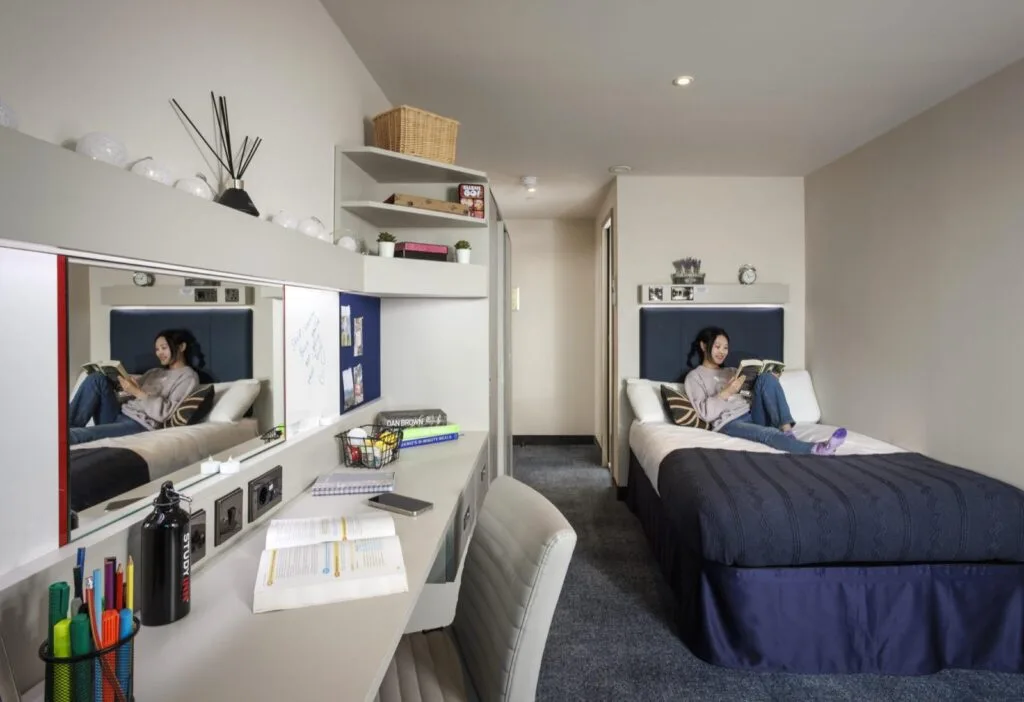
Where you work has a big effect on whether you work. Some people focus well in their room. Many find that studying a metre from their bed, with the TV and their phone in reach, means very little gets done.
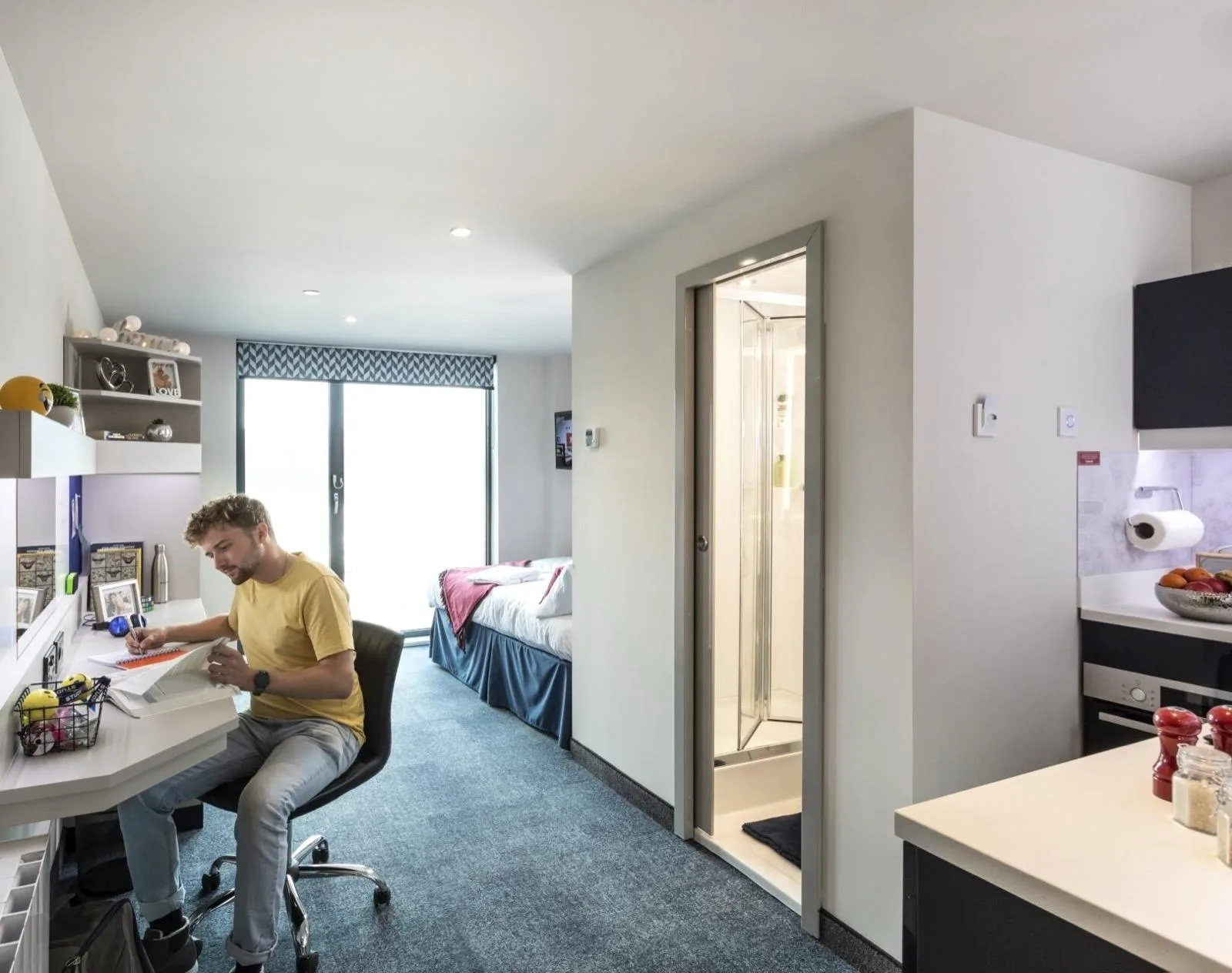
Try a few places in the first weeks and notice where you actually get work done: the university library, a study room in your building, a café, or your own desk with your phone in another room. Having a separate place for work also helps you switch off when you have finished, which matters for sleep.
If you are in one of the cities where Study Inn has buildings, our local guides list good places to work in Leeds, Nottingham, Leicester, Exeter and Loughborough.
Break work into smaller pieces
Large assignments are where motivation usually fails, because the first step is unclear and the deadline feels far away. The answer is to cut the work into pieces small enough to start without thinking about it.
For an essay, that might be: read the question and the marking criteria, find five sources, make notes on two of them, write a plan, then write the introduction. Give each step its own date, working back from the real deadline, and leave a few days spare at the end.
When you sit down to study, pick one task and give it a fixed amount of time, such as 45 minutes, then take a short break. Finishing small tasks builds momentum, and momentum does most of the work that people expect motivation to do.
Feeling homesick at university
Homesickness is common, and it is not limited to first years or international students. It often shows up as tiredness, a lack of interest in your work, or wanting to stay in your room. Those are the same things that make it hard to study, which is why the two are so closely linked.
A few things help. Keep in touch with home on a schedule, such as a call on Sunday evenings, rather than being on the phone to home all day. Do something social a few times a week, even something small like cooking with flatmates or going to one society meeting. Get out of your room every day. And give it time: for most people the feeling eases as the new place becomes familiar.
Student Space, which is led by the student mental health charity Student Minds, has practical advice on settling into university and on friendships and social life.

Sleep, food and exercise
It is hard to stay motivated when you are tired and living on toast. Sleep comes first: a regular bedtime, and putting screens away for a while before it, make a real difference to how you feel the next day.
Learn to cook a few simple meals you like, and keep some basics in so you are not relying on takeaways. Regular exercise helps with both mood and concentration, and it does not have to be a sport. A walk to campus, a gym session or a yoga class all count.
Use the people around you
You do not have to manage this alone, and asking for help early is good judgement rather than failure.
Study alongside people from your course, even if you are each working on your own tasks. If you are stuck on the content, go to your lecturer’s office hours or speak to your personal tutor. Most universities also run academic skills services that help with essay writing, referencing and time management.
If you are an international student, a different style of teaching can be a big part of why motivation dips. Our guide to studying in the UK for international students explains what to expect.
When it is more than a motivation problem
Sometimes, low motivation is a sign of something else. If you have felt low or hopeless for more than a couple of weeks, have lost interest in things you usually enjoy, or are struggling to get out of bed, talk to someone.
Register with a GP near where you live as soon as you arrive. According to the NHS, you only need to give your name, date of birth and address, and you do not need ID or proof of address. Your university’s wellbeing or counselling service is another good starting point, and our article on student wellbeing resources lists local services in each Study Inn city.
If you need to talk to someone now, you can call Samaritans free on 116 123 at any time, day or night, or text SHOUT to 85258 to reach Shout, a free and confidential text service that runs 24/7. If you need urgent help with your mental health, NHS 111 can help online, or you can call 111 and choose the mental health option. If someone’s life is at risk, call 999.
How Study Inn supports residents
Where you live affects your motivation more than most people expect. Study Inn won Best Resident Well-being Programme at the Best in Class Awards 2025, and support is part of everyday life in the buildings rather than something you have to go looking for.
The team is onsite 24 hours a day, so there is always someone to speak to at reception. Centre Managers run “Tea and Chat” drop-in sessions for residents, and you can ask for one-to-one support in person or online. Study Inn’s charity partner is Student Minds, the UK’s student mental health charity. You can read more on the Study Inn wellbeing page.
Study Inn’s buildings in Leeds, Nottingham, Leicester, Exeter and Loughborough all have a gym, a wellness spa and study rooms or study areas, so a change of scene and some exercise are in the same building as your room. Accommodation is all-inclusive, covering electricity, water, heating and superfast Wi-Fi, with no damage deposit and no UK guarantor required. Security includes CCTV, a 24/7 onsite security team and key-card building entry, which takes away some of the worry that comes with living away from home for the first time.
Study Inn has buildings in Leeds (Brotherton House), Nottingham (Talbot Street and Triumph House), Leicester (Reynard House), Exeter (Walnut Gardens) and Loughborough (Lemyngton Street), and you can book a viewing to see the rooms for yourself.
Frequently Asked Questions
Is it normal to lose motivation at university?
Yes. Most students have dips, often a few weeks into the first term, in January and before exams. A dip does not mean you are on the wrong course. Building a routine and breaking work into small tasks usually helps more than waiting to feel motivated.
How do I stay motivated when I am homesick?
Keep in touch with home on a regular schedule rather than all day, get out of your room every day, and do something social a few times a week. Homesickness usually eases as the new place becomes familiar. If it does not, talk to your university’s wellbeing service.
How many hours a day should I study at university?
It depends on your course and how many contact hours you have. For most students, a few focused hours on most days, alongside lectures and seminars, works better than long sessions squeezed in just before a deadline.
Where can students get mental health support in the UK?
Start with your GP and your university’s wellbeing or counselling service. You can call Samaritans free on 116 123 at any time, text SHOUT to 85258, or call NHS 111 and choose the mental health option if you need urgent help. If someone’s life is at risk, call 999.
Does Study Inn offer wellbeing support?
Yes. The team is onsite 24 hours a day, Centre Managers run “Tea and Chat” drop-in sessions, and residents can ask for one-to-one support in person or online. Study Inn won Best Resident Well-being Programme at the Best in Class Awards 2025.